


Table of Contents
- Embracing Bold Colors
- Earthy and Natural Tones
- Soft Pastels for a Light Touch
- Choosing the Right Finish
- Preparing Your Cabinets for Painting
- Step-by-Step Guide to Painting Cabinets
- Maintaining Painted Cabinets
- Conclusion
Kitchen updates do not always require a full renovation. A fresh coat of paint on cabinets can completely refresh your cooking space, creating a customized environment that feels brand new at a fraction of the cost. One of the most transformative projects homeowners can take on is cabinet painting, which can instantly modernize or personalize your kitchen with the right color and technique.
Whether you prefer vibrant hues or classic neutrals, choosing the ideal color and finish for your cabinets is essential for achieving the look you desire. Beyond simply picking a paint, it is important to consider preparation and maintenance so your results are both beautiful and durable.
Kitchen paint trends are ever-changing, with colors and finishes coming in and out of style. Staying informed about the latest design inspirations can help you select paint colors that make your kitchen stand out for years to come. If you are unsure about undertaking the entire project yourself, working with an experienced painting company in your area can provide professional results and peace of mind.
Embracing Bold Colors
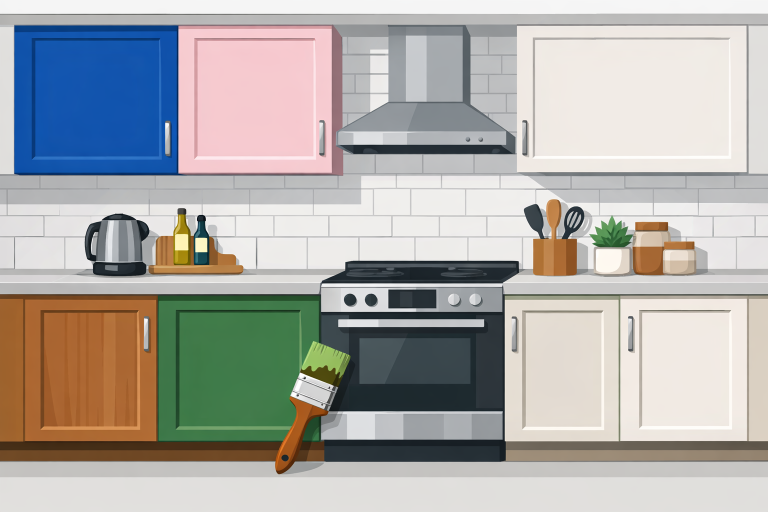
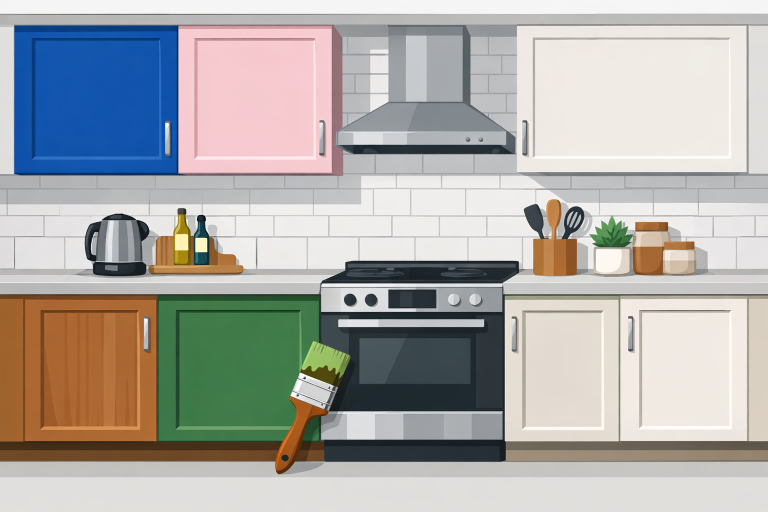
Bold cabinet colors are experiencing a surge in popularity as homeowners seek to inject personality and drama into their kitchens. Deep blues, rich greens, and vibrant jewel tones create visual interest and pair seamlessly with sleek modern countertops or neutral backsplashes. For those who hesitate to commit to an entire kitchen in a single color, consider using a bold shade only on lower cabinets or a kitchen island to achieve a striking yet balanced look. According to Homes & Gardens, deep reds like plum and oxblood are becoming popular for their bold yet familiar tone, pairing well with materials like brass and marble.
Earthy and Natural Tones
For a warmer, more organic aesthetic, earthy tones such as sage, taupe, mushroom, and terracotta are increasingly favored. These muted yet cozy shades evoke a sense of tranquility and create a connection to natural elements. They are especially effective when paired with wooden accents or open shelving, anchoring the kitchen’s design in comfort and simplicity. This trend dovetails with a growing appreciation for natural finishes and materials in home decor, reflecting a desire for spaces that feel both timeless and inviting.
Soft Pastels for a Light Touch
Soft pastels are a popular choice for those wanting an airy, open feel in the kitchen. Tones like seafoam green, blush pink, and pale blue bring a gentle brightness that can make compact kitchens appear larger and more welcoming. While navy blue has long been a kitchen staple, recent design movements have shifted toward lighter, more whimsical hues, such as seafoam green, that offer a subtle update to classic styles. These colors work well with brass or matte black hardware for a modern finishing touch.
Choosing the Right Finish
The choice of paint finish plays a vital role in the final appearance and practicality of your cabinets. Satin and semi-gloss finishes are especially popular due to their durability and ease of cleaning, which are important qualities for kitchen cabinetry that sees frequent touch and exposure to spills. High-gloss finishes reflect light beautifully and enhance the perception of space, but they may also highlight imperfections in older cabinet doors. Ultimately, selecting the right finish comes down to balancing style, maintenance needs, and the amount of wear and tear your kitchen experiences.
Preparing Your Cabinets for Painting
Preparation is crucial to the longevity and professional look of your painted kitchen cabinets. Begin by removing all cabinet doors, drawers, and hardware, labeling each piece to simplify reassembly. Use a degreaser to reduce kitchen grime, then lightly sand every surface to achieve the ideal texture for paint adhesion. Priming is an essential step, especially when transitioning from dark to light colors or updating dated wood finishes. Skipping any of these steps often results in uneven coverage, chipping, or peeling over time.
Step-by-Step Guide to Painting Cabinets
- Remove Cabinet Doors and Hardware: Stay organized by labeling as you go, so each door returns to its original place.
- Clean Surfaces: Eliminate grease and residue from all cabinet parts using a recommended kitchen degreaser.
- Sand Surfaces: Light sanding provides a surface that allows primer and paint to stick effectively.
- Apply Primer: Select a primer suitable for your particular cabinet material and paint selection.
- Paint: Apply thin, even coats, allowing sufficient drying time between layers for the best results.
- Reassemble: After the paint is fully dry and cured, reattach hardware and carefully reinstall all doors and drawers.
Maintaining Painted Cabinets
Keeping your painted cabinets clean will help preserve their appearance and protect the finish. Wipe surfaces regularly with a soft cloth dampened in mild soap and water. Avoid harsh or abrasive cleaners, as these can dull or scratch the paint. Attend to chips and scratches as soon as you notice them by lightly sanding and touching up with matching paint. Routine maintenance makes a significant difference, extending the lifespan of your kitchen’s vibrant new look.
Conclusion
Transforming your kitchen with painted cabinets is a rewarding project that can offer dramatic results on a modest budget. With popular trends spanning from bold hues to calming earth tones and soft pastels, there are options to suit every taste and kitchen style. By preparing properly, choosing the right finish, and sticking to a regular maintenance routine, you can ensure your efforts pay off for years to come. If you ever want professional guidance or a flawless finish, consulting local painting experts can streamline the process and achieve an outcome that feels as fresh as a brand-new kitchen.